Sephardim.com — a research tool for Sephardic genealogy
Find the document, not just the surname.
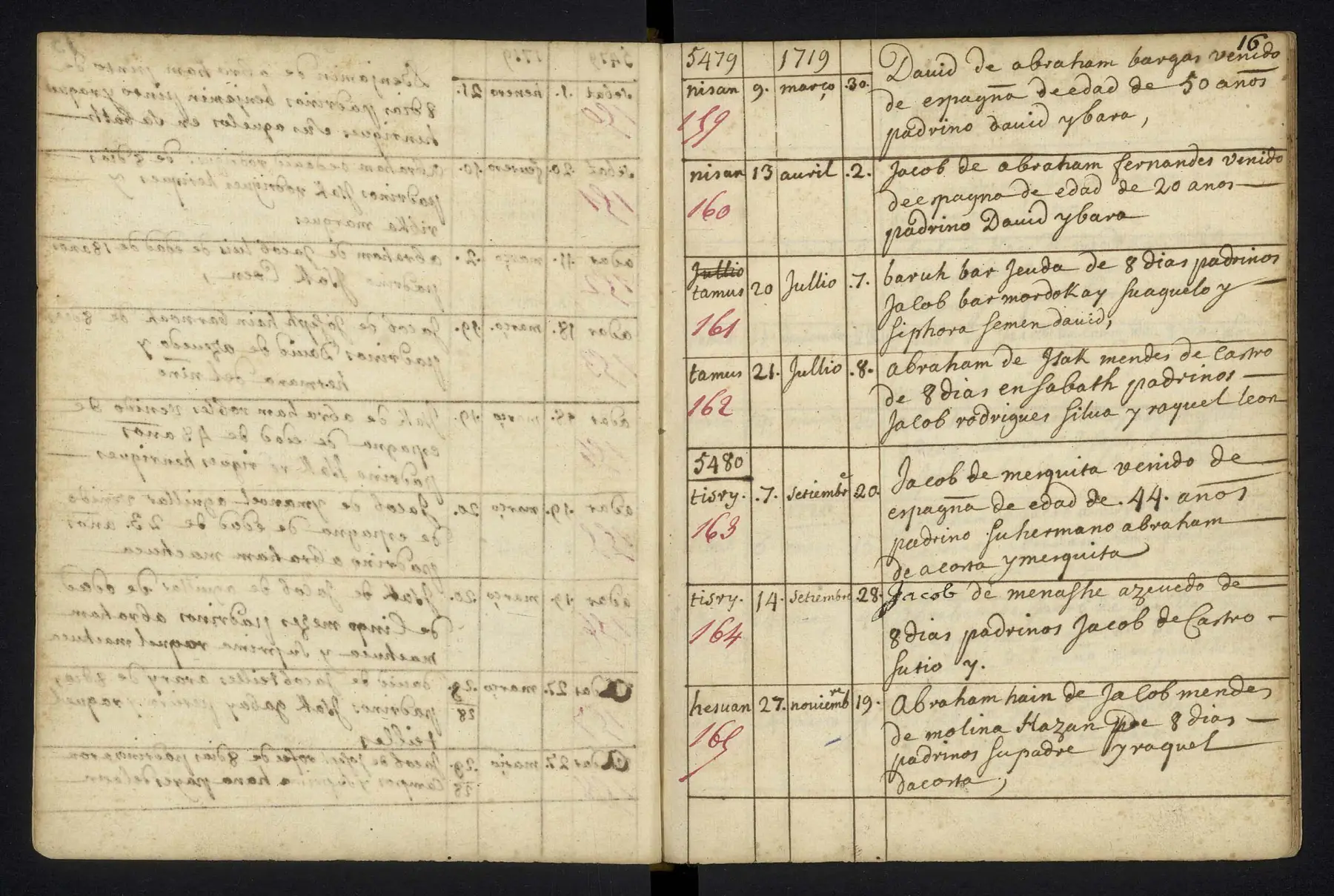
476 archival units from 9 archives, 1476–1836 — Inquisition trials, circumcision and parish registers, royal orders, a census. Every one carries its full reference and a link to the archive holding it, and 3,246 pages you can read here, on the page.
Sephardic records were destroyed on an enormous scale, so some families leave no trace at all. Where the evidence is thin this site says so plainly, and tells you what would settle it — which is more than a surname list can do.
- 3,246
- Catalogued pages
- 476
- Archival units
- 9
- Archives
- 1476–1836
- Years covered
Paths through the archive
Begin with a name, an archive, or a method.
Names & variations
Search the register by surname, across Spanish, Portuguese and French archives. A hit is a lead, not a verdict — and the page says which.
ArchivesRegisters & holdings
Browse by archive: Inquisition trials at the Torre do Tombo, Chancillería ejecutorias, the Bordeaux Jewish registers, the 1784 Alsace census.
MethodHow to research
The order of operations: civil registration, parish registers, notarial records, Inquisition files — and only then a DNA test, aimed at a real question.
A documented descent
The Arias Dávila family
Converso descent that is documented rather than inferred — and documented only because the family was prosecuted. The ones who blended in left no trial record at all.
Read their story →From the blog
All posts →What the Jews of Tàrrega actually were — and why their closest match was in Germany
Catalan Jews killed in 1348 matched no modern Jewish group. The only single population that fit was another medieval Jewish community 1,200 km away.
The surname is not the evidence
There is no official list of Sephardic surnames. The same name can sit on both sides of the same story — and sometimes isn't even inherited from the father.
Founder variants: what carrier status can and can't tell you
Carrying a 'Jewish genetic disease' variant isn't an ancestry test, and not carrying one tells you almost nothing. Here is what the variants can actually say.